A well-executed real estate newsletter keeps you in front of your database, positions you as a market authority, and generates referrals and repeat business.
A bad one gets deleted without being opened, or worse, triggers an unsubscribe.
The difference between the two usually comes down to three things: relevance, consistency, and format.
The best newsletters give people information they actually want, arrive on a predictable schedule, and are easy to read on a phone in under two minutes.
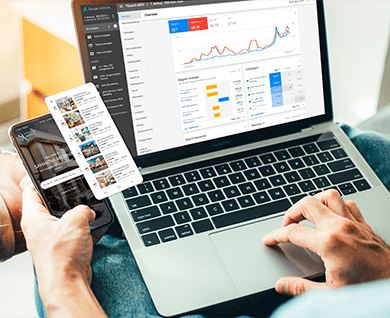
To automate this delivery, top agents connect their CRM directly with real estate websites and email marketing integration.
Below you will find 20+ newsletter examples organized by type, along with templates and ideas you can adapt for your own practice.
Monthly Market Update Newsletter
This is the most popular newsletter format among real estate agents, and for good reason. It gives your audience a reason to open your email every month. 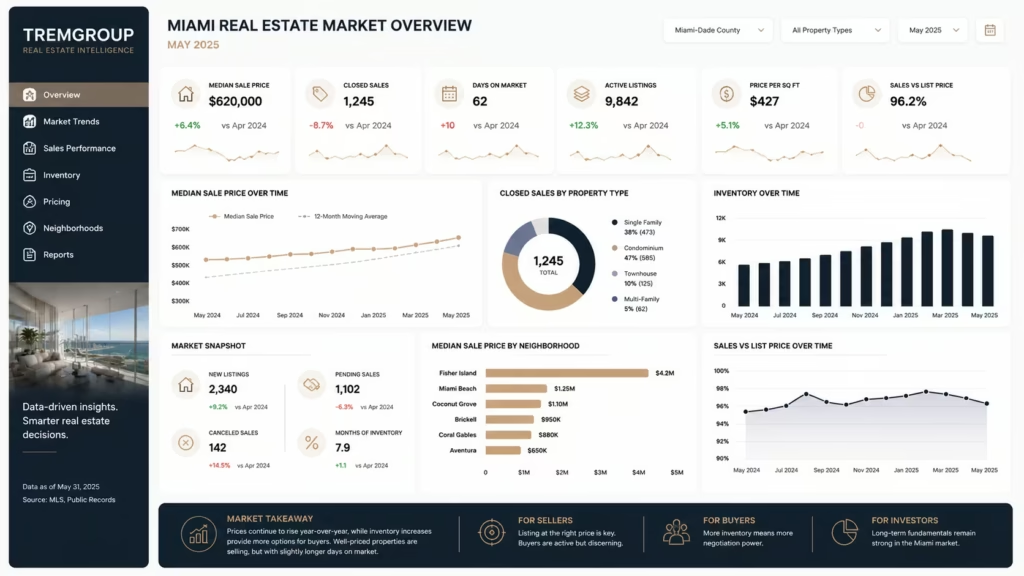
Template 1: The Data-Forward Market Update
Subject line: [City] Market Update: [Month] 2026.
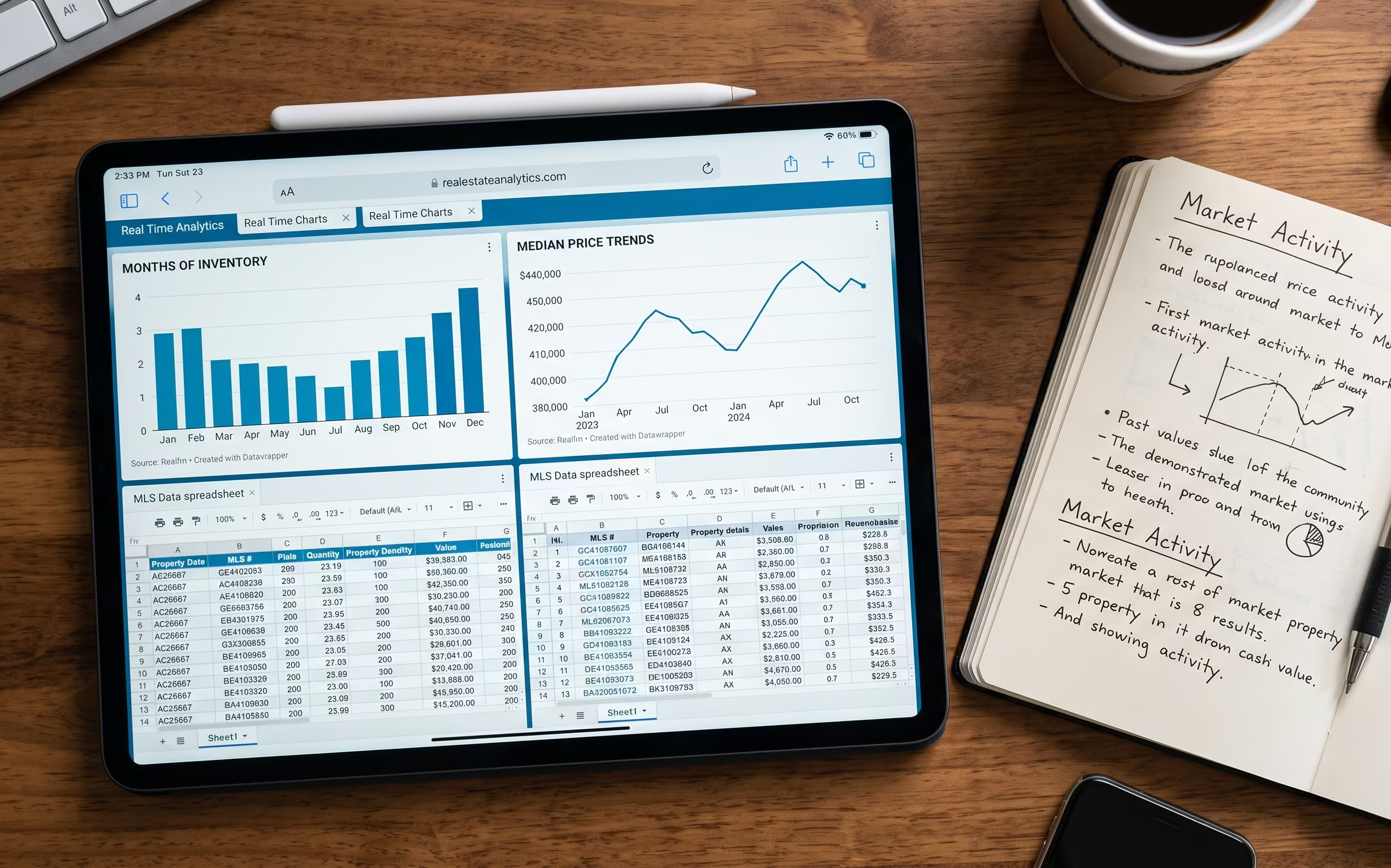
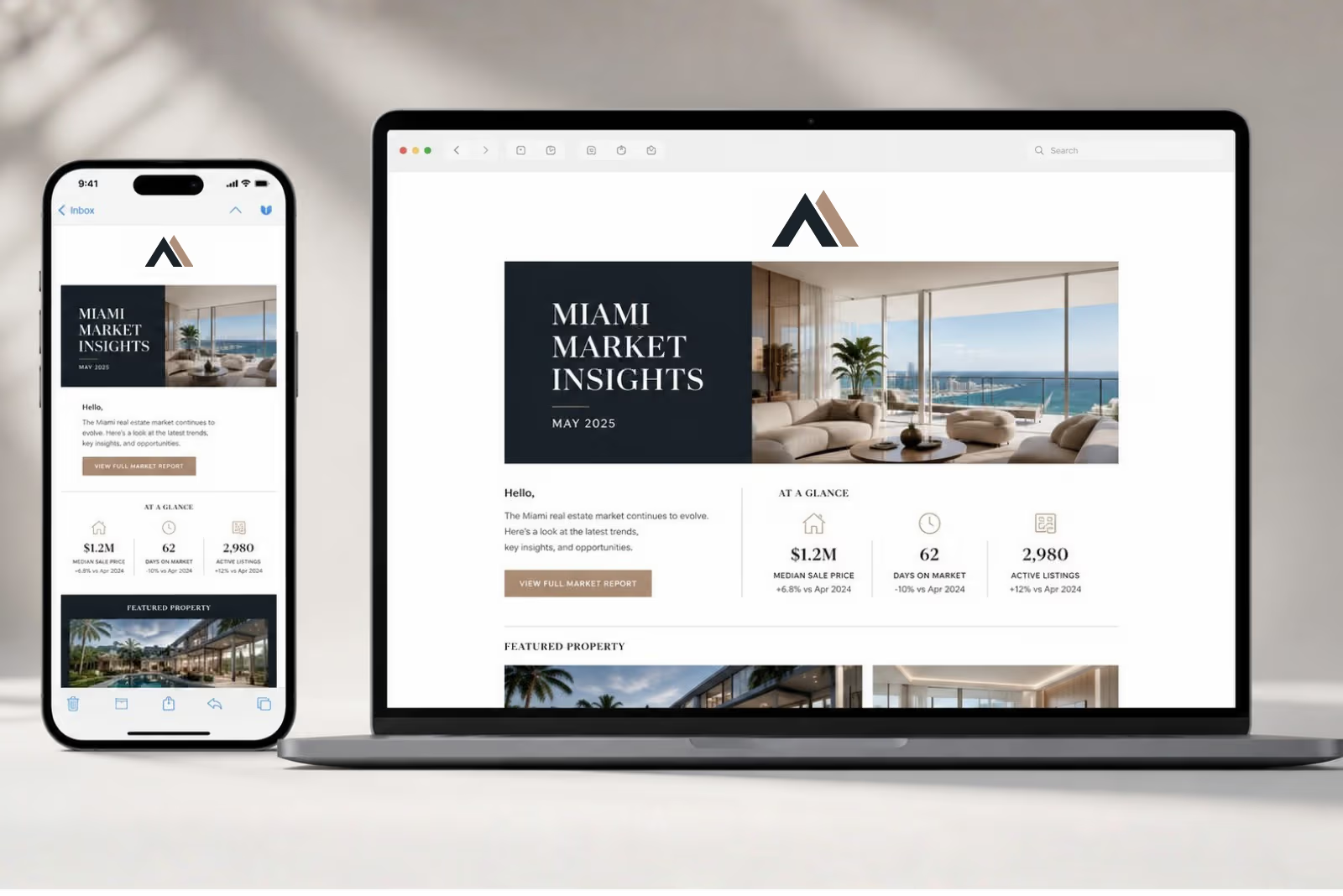
Start with 3 to 4 key data points from the local market: median sale price (and month-over-month change), average days on market, number of new listings, and inventory levels.
Follow with a 2 to 3 paragraph interpretation of what the numbers mean for buyers and sellers.
Close with a simple call to action: “Have questions about what this means for your home? Reply to this email.”
This format works because it leads with value. The reader gets useful information before any pitch, which keeps open rates high over time.
Template 2: The Neighborhood Spotlight
Subject line: What is happening in [Neighborhood] right now. Focus on a single neighborhood or area each month.
Cover recent sales with price points, new businesses or developments, school updates if relevant, any infrastructure changes, and your personal observations about the area.
This format works particularly well for agents who farm specific neighborhoods, because it reinforces your local expertise with every send.
Template 3: The Buyer vs. Seller Market Breakdown
Subject line: Is [City] a buyer’s or seller’s market right now?
Structure the email as a simple analysis: current inventory levels, price trends, negotiation patterns (are buyers getting concessions?), and time-on-market trends.
Include one recommendation for buyers and one for sellers. This format appeals to both sides of the market and often generates replies from people who want to discuss their specific situation.
Listing Announcement Newsletters
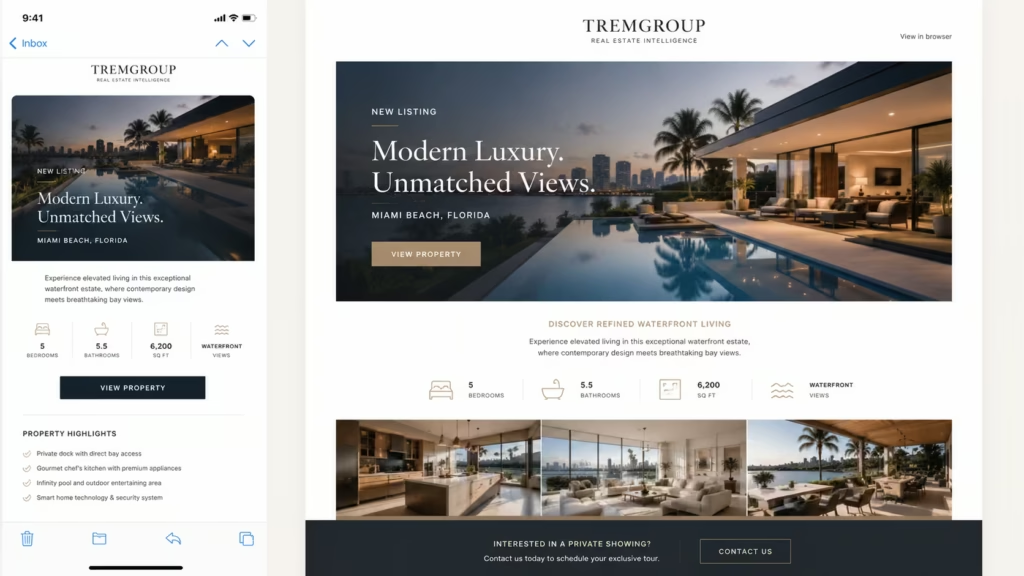
Template 4: Just Listed
Subject line: Just listed: [Property highlight] in [Neighborhood].
One hero image, 3 to 4 key features, price, and a link to the full listing. Keep it short.
The goal is to drive traffic back to your IDX-integrated listing showcase pages, where leads can capture additional details, not replicate the entire MLS description in the email.
Add a line at the bottom: “Know someone who might be interested? Forward this email.”
Template 5: Price Reduction Alert
Subject line: Price reduced: [Address] now asking [new price].
Lead with the new price and the reduction amount. Include one or two photos and the most compelling selling points.
Close with urgency: “Contact me to schedule a showing before this one is gone.”
Template 6: Just Sold
Subject line: Just sold in [Neighborhood] for [price].
Share the final sale price (if public), days on market, and a brief story about the transaction. “We had 12 showings in the first weekend and accepted an offer above asking within 5 days.”
This type of newsletter is aimed at potential sellers who want to see proof that you get results.
Template 7: Open House Invitation
Subject line: Open house this [day]: [Address].
Clean and simple: date, time, address, 2 to 3 photos, and a calendar link or RSVP button.
Include a note that you are happy to arrange a private showing for anyone who cannot make the event.
Educational and Evergreen Newsletters
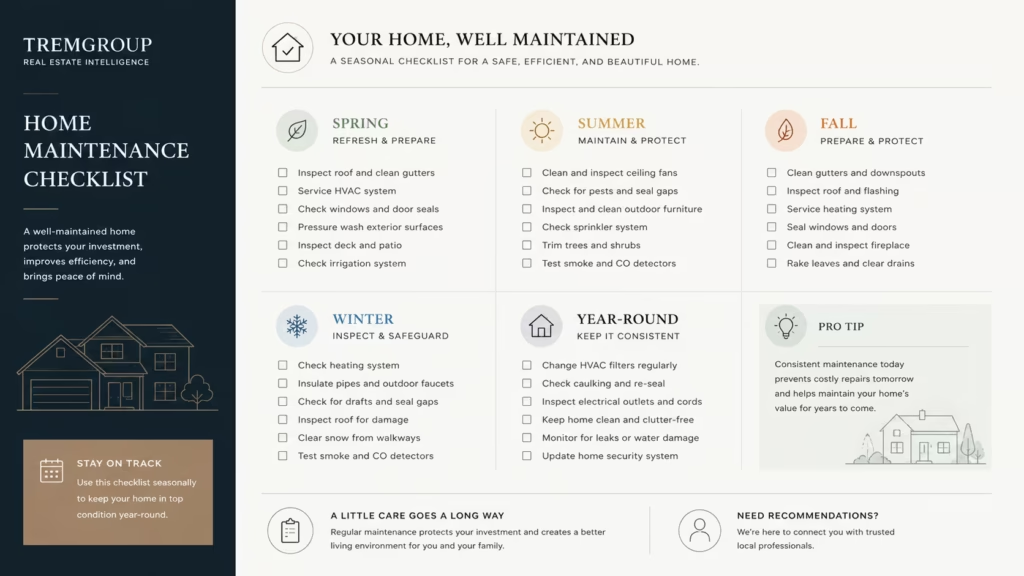
Template 8: The Home Maintenance Reminder
Subject line: Your [Season] home maintenance checklist.
A seasonal checklist covering the 5 to 10 things homeowners should do this season to maintain their property.
Spring: HVAC service, gutter cleaning, exterior inspection.
Summer: irrigation check, deck maintenance, pest prevention.
Fall: furnace service, weatherstripping, leaf management.
Winter: pipe insulation, roof inspection, emergency kit review.
Homeowners appreciate this content, and it subtly reminds them that you care about their home beyond the transaction.
Template 9: The First-Time Buyer Guide
Subject line: Thinking about buying your first home? Start here.
A brief overview of the buying process in your local market, with links to deeper content on your blog.
Cover pre-approval, home search basics, what to expect during inspections and closing, and common first-time buyer mistakes.
Send this as a one-time email to new subscribers who match the first-time buyer profile.
Template 10: The Seller Preparation Guide
Subject line: Planning to sell in 2026? Here is what to do now.
Practical advice for homeowners who are 3 to 6 months from listing: minor repairs that boost value, staging tips, pricing strategy overview, and the current seller’s market conditions.
This is effective in Q1 when sellers start thinking about the spring market.
Template 11: The FAQ Email
Subject line: Your top 5 real estate questions, answered.
Take the questions you hear most often from clients and answer them concisely.
- “How much do I need for a down payment?”
- “Should I sell before I buy?”
- “What fees do I pay as a seller?”
- “How long does closing take?”
- “Do I really need a real estate agent?”
Rotate the questions each quarter.
Relationship and Personal Newsletters
Template 12: The Year-End Recap
Subject line: 2026 in review: what a year for [City] real estate.
Summarize the year’s market trends, your personal highlights (homes sold, neighborhoods covered, client milestones), and your outlook for the year ahead. Keep it personal. Include a genuine thank-you to your clients and referral partners.
Template 13: The Anniversary Email
Subject line: Happy home anniversary, [Name]!
Send this automatically on the anniversary of each client’s purchase.
Include how long they have owned the home, an estimate of how their home value has changed (use Zillow or local data as a reference), and an invitation to reach out if they have any questions or know anyone looking to buy or sell.
Template 14: The Community Event Roundup
Subject line: Weekend plans? [Number] things to do in [City] this month.
Curate a list of local events, restaurant openings, farmers markets, festivals, or family activities.
This content builds your reputation as a community insider and gives people a reason to open your emails even when they are not actively in the market.
Template 15: The Referral Ask
Subject line: Can you help me help someone you know?
Once or twice a year, send a dedicated email asking for referrals.
Be direct but not pushy: “If you know anyone thinking about buying, selling, or investing in real estate, I would be grateful for the introduction.
A quick reply with their name and email is all I need.” Include a brief reminder of your recent results to reinforce credibility.
Investor and Niche Newsletters
Template 16: The Investment Property Digest
Subject line: [City] rental market update: [Month] 2026.
Cover rental price trends, vacancy rates, cap rate benchmarks, and featured investment opportunities.
This niche newsletter targets a specific audience and tends to have high engagement because the readers are actively managing money.
Template 17: The New Construction Update
Subject line: New developments coming to [Area] in 2026.
Cover new condo projects, housing developments, and commercial construction in your market.
Include projected completion dates, price ranges, and your take on how new inventory will affect the market.
Developers and investors find this content particularly valuable.
Template 18: The Luxury Market Briefing
Subject line: Inside [City]’s luxury market: [Month] 2026.
Cover $1M+ (or $5M+, depending on your market) transactions, notable listings, price per square foot trends, and any shifts in buyer demographics or demand.
This positions you as a luxury specialist and attracts high-net-worth readers. Aligning your newsletter branding with real estate digital marketing strategies helps attract high-net-worth sellers.
Design and Formatting Best Practices
Keep your newsletter under 500 words.
Most readers are scanning on their phone between meetings or during their commute. If they need to scroll more than two or three times, you are writing too much.
Use a single-column layout. Multi-column layouts break on mobile and look cluttered. A clean, single-column design with generous spacing reads well on every device.
Include one hero image at most. Heavy image emails load slowly and often land in promotions tabs. Text-first emails with one quality image strike the right balance.
Write your subject line last. After you know what the email contains, write a subject line that is specific, honest, and under 50 characters.
Send on a consistent schedule. The specific day and time matter less than the consistency. Whether you send on the first Tuesday of every month or every Friday morning, stick with it so your audience knows when to expect you.
Getting Started
If you are not sending a newsletter yet, start with a monthly market update. It is the easiest format to produce consistently, provides clear value, and establishes the habit of regular communication with your database.
Once you have a few months of consistent sends under your belt, add a second type (listing announcements, seasonal content, or an educational series) and test how your audience responds.
While sending manual newsletters builds long-term authority, automated email alerts ensure you never miss an active buyer. TREMGroup integrates custom listing alerts and automated drip workflows directly into your real estate website—setting up automated alerts when leads saved listings, prices drop, or new matching properties hit the market.
If you want to automate your lead follow-up with zero daily maintenance, explore TREMGroup’s real estate marketing and website solutions.
Looking To Grow Your Online Presence?
Your website should be a powerful tool for growth. Let’s enhance your website to attract and convert visitors into loyal customers. Book a demo today